
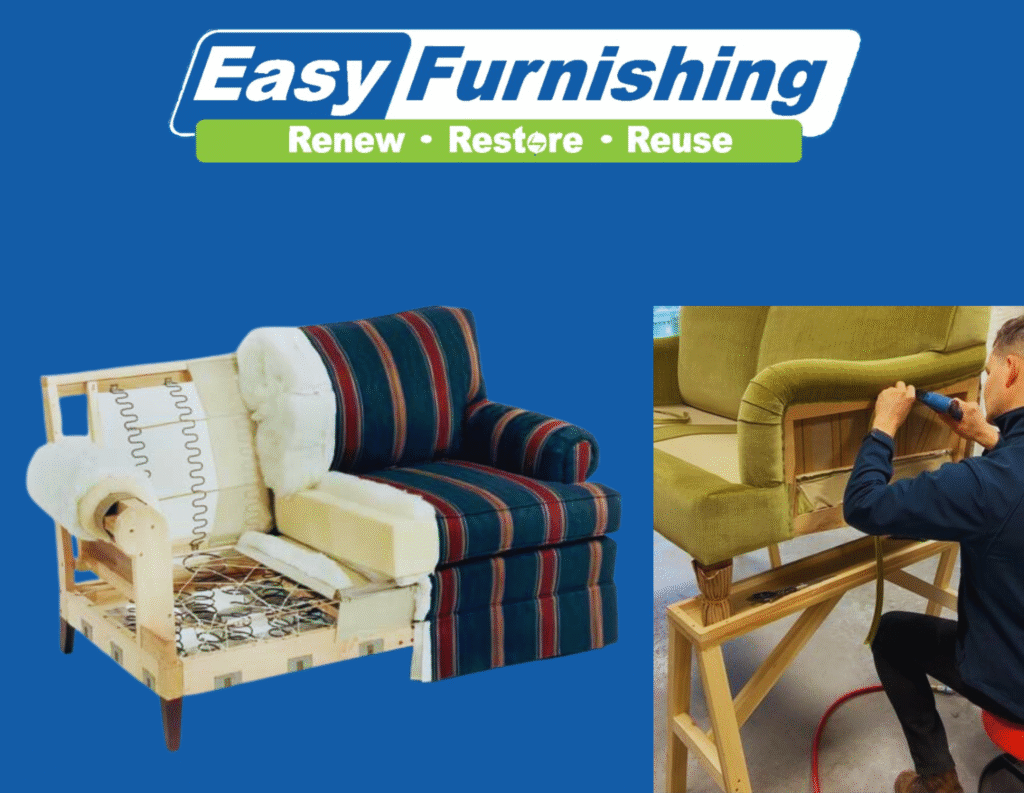
Furniture plays a vital role in creating a cozy, inviting, and stylish home. Over time, however, even the best pieces begin to show signs of wear — faded fabrics, scratched wood, or sagging cushions. Instead of replacing these cherished items, more homeowners are turning to Furniture Repair & Reupholstery Services to bring them back to life. This comprehensive guide explains how these services work, why they’re cost-effective, and how they can help preserve your furniture’s beauty for years to come.
Understanding Furniture Repair & Reupholstery Services
What Is Furniture Repair?
Furniture repair involves fixing structural and aesthetic damages to furniture, restoring it to its original strength and appearance. Common repairs include tightening loose joints, replacing broken legs, refinishing wood surfaces, and repairing scratches or dents. Professionals use specialized tools and techniques to ensure the repairs blend seamlessly with the original design.
What Is Reupholstery and How Does It Differ from Repair?
While furniture repair focuses on structural integrity, reupholstery deals with the fabric, padding, springs, and cushions of upholstered furniture. It’s a process where the old material is stripped off and replaced with new, high-quality fabric, foam, and stitching. This not only revives the appearance of sofas, chairs, and headboards but also enhances comfort and durability.
The Importance of Professional Furniture Restoration
Hiring skilled craftsmen ensures your furniture is handled with care. They assess the materials, frame condition, and fabric type before beginning work. Professionals can match finishes, restore vintage pieces, and even modernize your furniture’s style while retaining its character.
Common Types of Furniture Damage and Their Solutions
Structural Damage: Frames, Joints, and Supports
Wooden furniture often suffers from loose joints or cracked frames due to age or humidity. Professional repair involves regluing, reinforcing, or replacing damaged parts. Metal frames can also be welded or strengthened.
Surface Issues: Scratches, Dents, and Water Marks
Surface refinishing can eliminate minor imperfections. Techniques like sanding, staining, and varnishing restore the original sheen, while color-matching ensures consistency.
Upholstery Wear and Tear: Fabric, Foam, and Springs
Daily use leads to flattened cushions, torn fabric, or broken springs. Reupholstery replaces these materials with new ones, often improving comfort and extending the furniture’s life span.
The Step-by-Step Process of Furniture Reupholstery
Inspection and Assessment
Professionals begin with a detailed inspection to determine if the frame is worth restoring. Antique or high-quality frames often justify the reupholstery cost.
Fabric Removal and Frame Preparation
Old fabric, nails, and padding are carefully removed. The frame is cleaned, repaired, and sanded before applying new materials.
Selecting New Upholstery Materials
Homeowners can choose from a wide range of fabrics — from luxurious velvet to durable microfiber. Many services offer eco-friendly or hypoallergenic materials.
Rebuilding, Stitching, and Finishing Touches
Once the new padding and fabric are in place, seams are reinforced and decorative trims added. The result is a revitalized piece that looks and feels brand new.
Benefits of Choosing Professional Furniture Repair Services
Cost Efficiency Compared to Buying New Furniture
Repairing or reupholstering is often significantly cheaper than replacing furniture, especially for high-quality or antique items.
Sustainability and Eco-Friendly Restoration
By repairing rather than discarding, you reduce waste and conserve resources. Many workshops use sustainable materials and low-VOC finishes.
Preserving Sentimental or Antique Pieces
Family heirlooms carry emotional value. Professional restoration preserves their history while making them functional for modern use.
DIY vs Professional Reupholstery: Which Is Better?
When DIY Makes Sense
DIY reupholstery can be rewarding if you’re working on simple furniture such as stools or dining chairs. With basic tools, online tutorials, and patience, you can achieve decent results while saving on labor costs. It’s also a fun creative project for homeowners who enjoy hands-on work. However, DIY efforts are best limited to small-scale items, as complex furniture may require professional-grade tools and precision stitching techniques.
Why Hiring Experts Saves Time and Money
While DIY can seem cost-effective initially, mistakes often lead to wasted materials or structural damage. Professional upholsterers possess the expertise to handle intricate patterns, match fabrics, and rebuild internal padding accurately. Their experience ensures a flawless finish and long-term durability, making it a worthwhile investment, especially for expensive or antique furniture.
How to Choose the Right Furniture Repair & Reupholstery Service
Checking Experience and Credentials
Always verify the experience level of a repair or upholstery service before hiring them. Skilled craftsmen with years of experience understand different furniture styles, from mid-century modern to traditional Victorian. Look for certifications or memberships in professional trade associations as indicators of quality workmanship.
Examining Portfolios and Customer Reviews
A company’s portfolio showcases their craftsmanship and design versatility. Browsing before-and-after photos reveals how well they handle transformations. Reading online reviews also provides insights into reliability, communication, and customer satisfaction.
Understanding Service Warranties and Pricing
Transparent pricing and service warranties are essential. Some reputable upholstery services offer warranties covering fabric wear, stitching, and frame durability, ensuring peace of mind for years to come.
Popular Materials and Fabrics Used in Reupholstery
Leather, Suede, and Vinyl Options
Leather remains one of the most durable and luxurious upholstery choices. It’s ideal for high-traffic furniture like sofas and office chairs. Suede offers a soft, elegant texture, while vinyl provides a cost-effective, water-resistant alternative perfect for commercial spaces.
Fabric Trends: Linen, Velvet, and Microfiber
Natural fabrics such as linen and cotton are breathable and timeless. Velvet adds a touch of sophistication, while microfiber is stain-resistant and easy to maintain, making it a family-friendly option. Many services now provide eco-conscious textiles made from recycled materials.
Average Costs of Furniture Repair & Reupholstery Services
Factors Affecting Pricing
Several elements influence pricing, including furniture size, fabric type, labor hours, and the extent of structural repair needed. Custom fabrics or antique restorations may cost more due to precision detailing.
Cost Comparison by Furniture Type
| Furniture Type | Average Repair Cost | Average Reupholstery Cost |
| Dining Chair | $60 – $150 | $120 – $250 |
| Armchair | $200 – $500 | $400 – $800 |
| Sofa | $600 – $1,500 | $1,200 – $3,000 |
| Antique Piece | $500+ | $1,000+ |
These estimates vary depending on region and service quality, but professional reupholstery often costs 40–60% less than replacing furniture entirely.
Maintenance Tips to Extend Furniture Lifespan
Regular Cleaning and Conditioning
Use gentle cleaners for fabric furniture and leather conditioners to prevent cracks or dryness. Regular vacuuming prevents dust buildup and maintains fabric freshness.
Avoiding Sunlight and Moisture Damage
Direct sunlight can fade upholstery, while excess moisture causes mold or warping. Position furniture away from windows and humid areas to preserve its finish and color.
Eco-Friendly Furniture Repair: Sustainable Choices for Modern Homes
Modern consumers are increasingly embracing eco-friendly furniture restoration. Many workshops now utilize biodegradable materials, organic fabrics, and low-emission finishes. Restoring instead of discarding old furniture drastically reduces landfill waste and promotes a circular economy. By choosing sustainable reupholstery services, you’re not just renewing your furniture — you’re also contributing to environmental preservation.
Case Studies: Stunning Before-and-After Furniture Transformations
A classic example is an antique wingback chair with torn fabric and broken legs. After full frame reinforcement and reupholstery in a rich velvet fabric, the chair regained its regal charm. Another case involves a worn-out leather sofa transformed into a modern statement piece with eco-friendly microfiber upholstery. These transformations demonstrate how skilled craftsmanship can breathe new life into dated furniture.
FAQs About Furniture Repair & Reupholstery Services
1. How long does furniture reupholstery take?
Typically, reupholstering a single sofa or chair can take 1–3 weeks, depending on the complexity and fabric availability.
2. Can any piece of furniture be reupholstered?
Most furniture can be reupholstered, provided the frame is sturdy. Professionals will assess whether the piece is structurally sound before beginning work.
3. Is it cheaper to reupholster or buy new furniture?
Reupholstery is often 40–70% cheaper than buying high-quality new furniture and allows you to customize fabrics and finishes.
4. What fabrics last the longest for upholstery?
Leather, microfiber, and tightly woven synthetic fabrics are the most durable, offering resistance to wear, stains, and fading.
5. How do I maintain reupholstered furniture?
Regular vacuuming, using fabric protectors, and keeping the furniture away from direct sunlight help maintain its appearance and longevity.
6. Are reupholstery services environmentally friendly?
Yes, reupholstery significantly reduces waste by repurposing existing furniture frames and using eco-friendly materials.
Conclusion: Giving Your Furniture a Second Life
Choosing professional Furniture Repair & Reupholstery Services is an investment in comfort, sustainability, and style. Instead of discarding old furniture, you can restore its beauty, functionality, and sentimental value. Skilled craftsmen not only enhance durability but also tailor designs to match your home’s décor. Whether you’re modernizing a living room sofa or preserving an antique heirloom, furniture restoration offers the perfect blend of cost efficiency and environmental responsibility.
With expert care, your furniture can enjoy a second life — and your home will shine with renewed elegance and charm.